
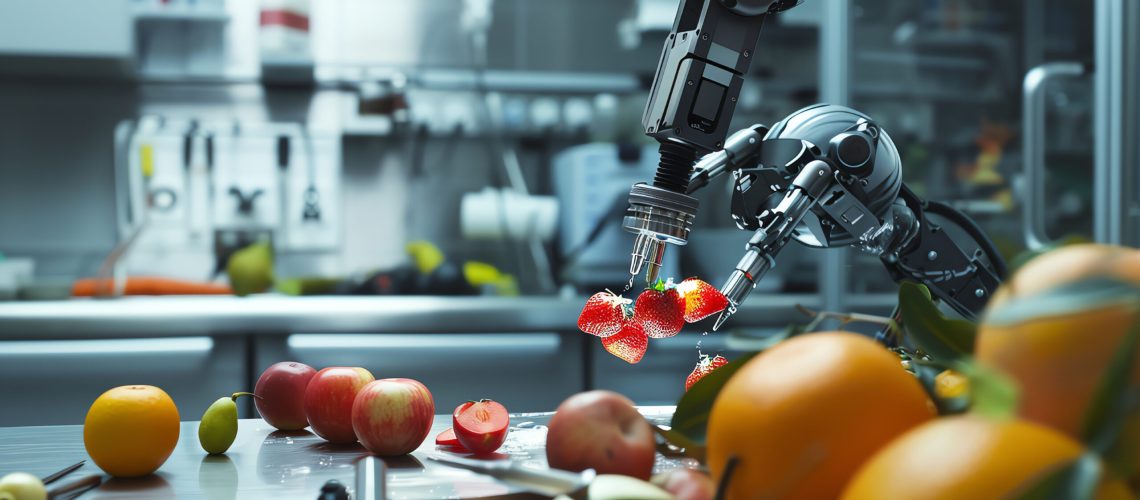
The food processing industry operates under stringent demands for efficiency, safety, and quality. Traditionally, manual labor has played a significant role in ensuring these requirements. However, as production scales and compliance standards become more rigorous, automation has emerged as the key to reducing manual intervention while maintaining precision and consistency.
Why Automation is Essential in Food Processing
- Consistency in Quality:
Manual labor introduces variability, which can affect product quality. Automation ensures that processes are consistent, meeting the highest standards for taste, texture, and appearance.
- Increased Productivity:
Automated systems perform repetitive tasks faster and more efficiently than humans, significantly increasing production rates. For example, a Process Controller can monitor and adjust parameters like temperature and pressure to optimize cooking or packaging.
- Enhanced Safety and Hygiene:
Automation minimizes human contact with food products, reducing the risk of contamination. Systems like De-Humidifier Controllers maintain ideal conditions, preventing spoilage and ensuring compliance with safety standards.
- Cost Savings:
While the initial investment in automation might seem high, it pays off by reducing labor costs, minimizing waste, and improving overall operational efficiency.
Automation Solutions for Food Processing
- De-Humidifier Controllers:
Regulate humidity levels to maintain optimal conditions for food preservation, preventing spoilage and extending shelf life.
- Process Controllers:
Automate critical operations like mixing, baking, or packaging, ensuring precision and reducing manual intervention.
- Temperature and Humidity Control Systems:
Maintain consistent environmental conditions in storage and production areas, crucial for sensitive food items.
Real-World Benefits of Automation
- Improved Compliance:
Automation helps food processing facilities adhere to industry regulations like HACCP and FDA standards by maintaining detailed logs of operational data.
- Better Resource Utilization:
Automated systems optimize the use of raw materials, energy, and manpower, leading to sustainable operations.
How MagdumTechnologies Supports Food Processing Automation
At MagdumTechnologies, we specialize in tailored automation solutions for the food industry. From De-Humidifier Controllers to Process Controllers, our systems are designed to enhance efficiency, safety, and compliance.
By reducing manual labor, automation not only improves productivity but also positions your facility as a leader in food safety and innovation.
Contact us today to learn how automation can transform your food processing operations.